
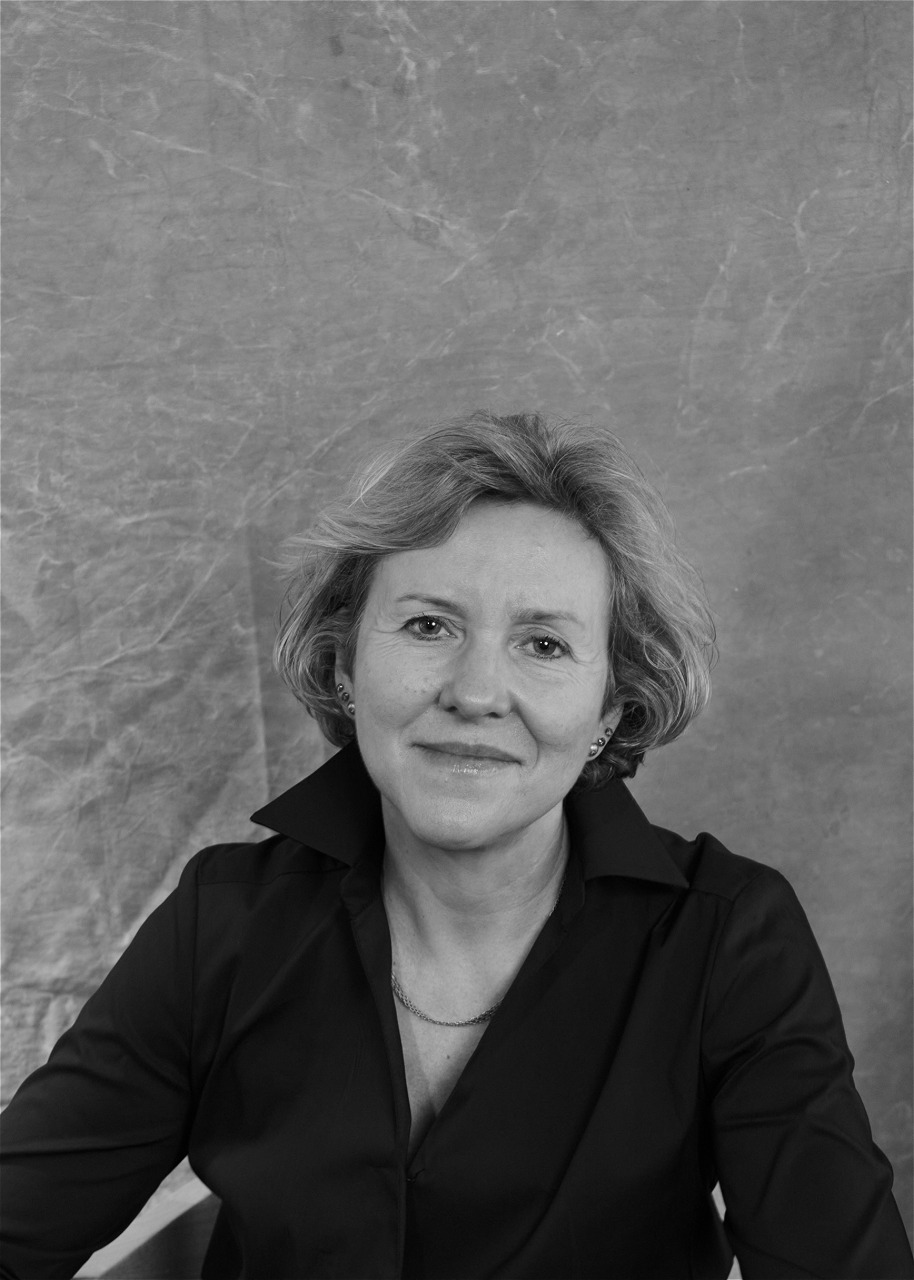
Marta offers:
Sugar Addiction Treatment
Marta works with people who feel caught in a cycle with ultra-processed foods and sugar – where cravings seem to take over despite their best intentions. Rather than focusing on willpower or restrictive rules, her approach looks beneath the surface, addressing the patterns and drivers that make these behaviours feel automatic.
Academically, her background includes a Diploma in Psychology and Neuroscience of Mental Health from King’s College London and a Certificate in Functional Neuroanatomy from the University of Cambridge, informing a deep understanding of how the brain, body, and behaviour interact.
Marta’s work is grounded in the addiction model of food behaviour, shaped by professional training with Bitten Jonsson, one of the leading voices in this field. This perspective recognises that for many, ultra-processed food is not just a habit, but a brain-based and behavioural condition that requires a different kind of support.
Alongside this, she is a Certified Lifestyle Medicine Practitioner with additional training in metabolic health, the microbiome, weight management, and nutrition. This allows her to integrate the biological side of cravings with the behavioural, creating a more complete picture of why change can feel so difficult – and how it becomes possible.
A key influence in her work is body-based awareness. Drawing on Paul Linden’s methods and embodied coaching training with Mark Walsh, she helps clients notice the earliest signals in the body – in the moments before a craving fully takes hold – so they can create space and choice where there once was none.
She also integrates nervous system regulation through a Polyvagal-informed lens, alongside trauma-informed principles inspired by Bessel van der Kolk. This supports clients in understanding how stress, overwhelm, and past experiences can drive automatic patterns around food. Her use of Clean Language coaching ensures that the process stays precise, respectful, and client led.
At its core, her work is about helping people shift from automatic reaction to intentional response by changing the underlying patterns that drive behaviour in the first place.